Table Of Content

The key to wabi-sabi interior design is simplicity and try to include a piece of nature into the area. Wabi-sabi interiors promote simple designs with a focus on the practical elements. In addition to houseplants that can infuse the area with a touch of freshness, decorative bowls and trays are always a good choice. In Wabi-Sabi interiors, salvaged antique wood furniture often takes center stage, cherished for its visible imperfections.
Organic Modern Interior Design: An Ode to Modern Elegance
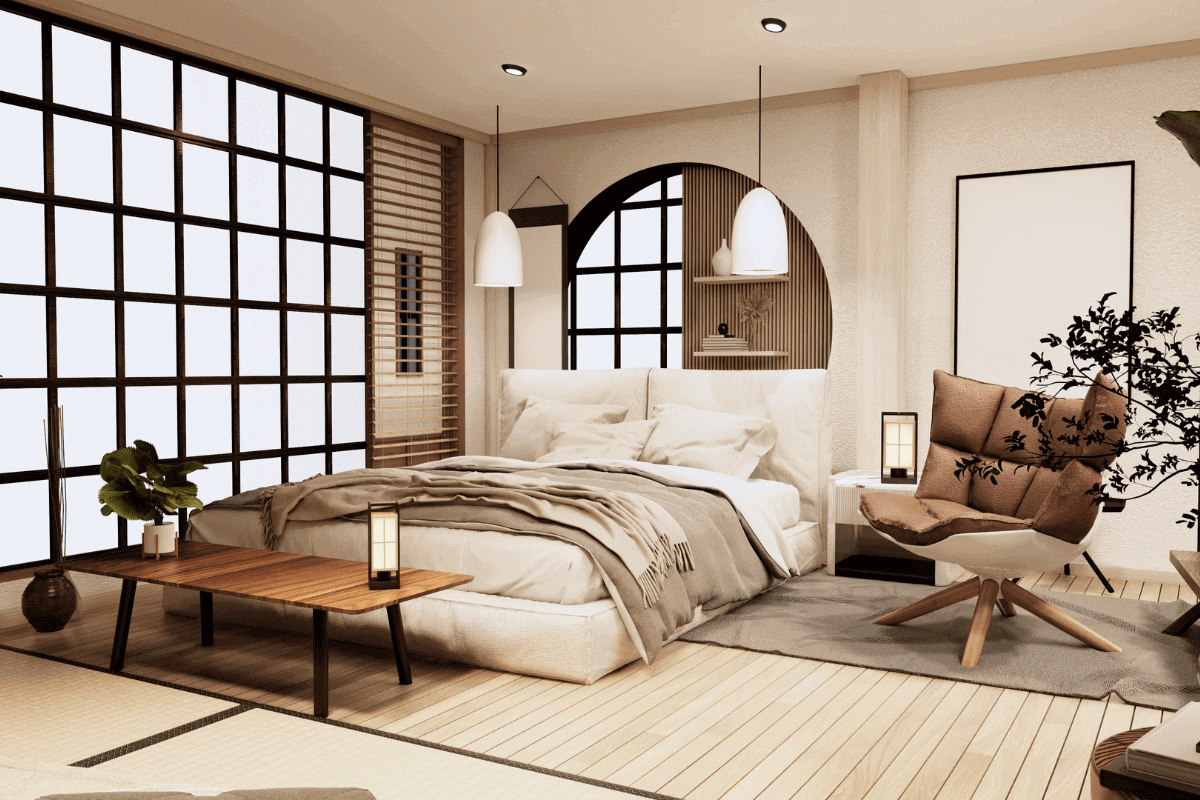
West Elm is home to so many handsome, rustic runners and subtly earthy rugs, including this vintage-inspired green rug, which blends durable wool with soft, subtly shiny viscose. All the thought and intention of wabi-sabi results in design that really does inspire a sense of calm. You can sense it in Wijaya’s “Project JAPANDI” in the Echo Park neighborhood of Los Angeles, where organic textures, earthy hues, and the mingling of nature indoors and out evoke tranquility.
Mono-material metal furniture
Beyond aesthetic impact, sourcing and reviving quality pre-owned furniture also reflects Wabi-Sabi’s spirit of sustainability. By giving treasured pieces renewed purpose, we divert items from landfills and reduce the demand for mass manufacturing. Plus, for every item we sell, we plant a tree to try to give back to the world after we have taken from it. The first of these principles, “nothing lasts,” speaks to the idea of transience. In Wabi-Sabi, it’s understood that everything we see around us, from the seasons that come and go to the furniture in our homes, is in a constant state of change.
AD Small Spaces: This dreamy 730-square-foot Pune home is a pocket of peace - Architectural Digest India
AD Small Spaces: This dreamy 730-square-foot Pune home is a pocket of peace.
Posted: Thu, 04 Jan 2024 08:00:00 GMT [source]
Find Joy in Simplicity
Opt for lasting materials like wood, leather, wool and clay to embrace nature in all its goodness. If you’ve inherited an old piece of furniture with slight wear and tear, give it a prominent space in any room. The weathered look is sufficient proof that it passed the test of time — a core principle of wabi-sabi interior design. If you’ve spent a lot of time scoping out interior design on Instagram, you’ve probably seen the phrase “wabi-sabi” quite a bit. Usually, in reference to open, airy, sunny spaces filled with natural textures and a spare selection of unusual vintage pieces.
Practical Ways to Incorporate Wabi-Sabi into Your Space
However, there’s more to wabi-sabi decor than a hashtag — and though undoubtedly trendy right now, it’s actually a centuries-old movement with principles that go beyond interiors. Wabi-sabi is a way of life rooted in the Japanese philosophy of impermanence and imperfection. The principles of the organic concept come from appreciating transience in nature. As a result, the aesthetic shows serenity in simplicity and incomplete and imperfect form. Expect to see plenty of natural and authentic materials showing the passage of time. Wabi-sabi interior design embraces asymmetry, simplicity, and natural elements like plants and raw materials, while rejecting the idea of perfection.

Maintain a neutral color palette—at least in the hues that make up the main focal points of your space—and work in other natural elements like wood, stone, plants, and water. True wabi-sabi interiors are inherently simple, and you’ll see a lot of overlap with other styles—particularly those inspired by Japan and other Asian cultures. If you’re intrigued, here are some tips for bringing wabi-sabi design into your home in all its imperfect glory.
This unique perspective has reached far beyond Japan, inspiring designers and artists worldwide. Influential figures like Marie Kondo have recognized the significance of Wabi Sabi in guiding our choices for selecting and arranging items in our homes, reflecting a positive approach to life. According to the Buddhist idea of Dukkha, life is fundamentally painful and unsatisfactory.
Sen no Rikyu is considered to be one of the most influential tea masters in history. The master bedroom is minimal and serene with nature views of the surrounding property. The closet is admittedly small, but there’s plenty of space on the opposite wall for a dresser. Wabi-sabi as a design principle not only outlines guidelines for product design but is also looked upon as a lifestyle by many people. Atelier Fen's Sha Wang exercises creativity to strike a balance between her home's mid-century modern charm and contemporary treatments. The Mulholland home, by Studio Qasabian, is a minimalist, mid-century gem in Los Angeles distilled through the lens of contemporary minimalism.
Home tour: A sustainable wabi-sabi home in Kuala Lumpur - Tatler Taiwan
Home tour: A sustainable wabi-sabi home in Kuala Lumpur.
Posted: Fri, 29 Sep 2023 07:00:00 GMT [source]
The philosophy of wabi-sabi views both life and design as ‘imperfect, transient, and unfinished. Values simplicity and the beauty of things in their most unprocessed and natural state. Wabi-sabi in interior design implies to choosing something natural and raw (for an authentic connection to nature and earth) over something manufactured in bulk.
Bring in flowers, incense or even simmering water with essential oils to bring spring home. These ideals later made their way into more general design principles, and today, they form a philosophy that all of us can benefit from—even, and perhaps especially, in the Western world. Is it fair that this Japanese teapot has more effortless personality and class than most of the people we’ve dated? We only include products that have been independently selected by TZR's editorial team. However, we may receive a portion of sales if you purchase a product through a link in this article.
Wabi-sabi favors artisanal furnishings and accessories over mass-produced items because no two pieces will ever be alike. "Nor should they, because nothing is ever 100 percent perfect," explains interior designer Ana Cummings. That's not to say there isn't quality control of handmade products, but any natural imperfections, however slight, only enhance the beauty of items like pottery, dyed textiles, and wood tables.
This texture and patina are impossible to predict, so it feels uniquely flawed (in a good way)—but it can also be a meditative reflection on your habits and lifestyle, like with the worn leather of a seat cushion. The best things in life get better with age—and they get more "perfectly imperfect", too. If you've been noticing an uptick in spaces with a wabi-sabi aesthetic lately, you're not imagining it—it's absolutely having a moment.
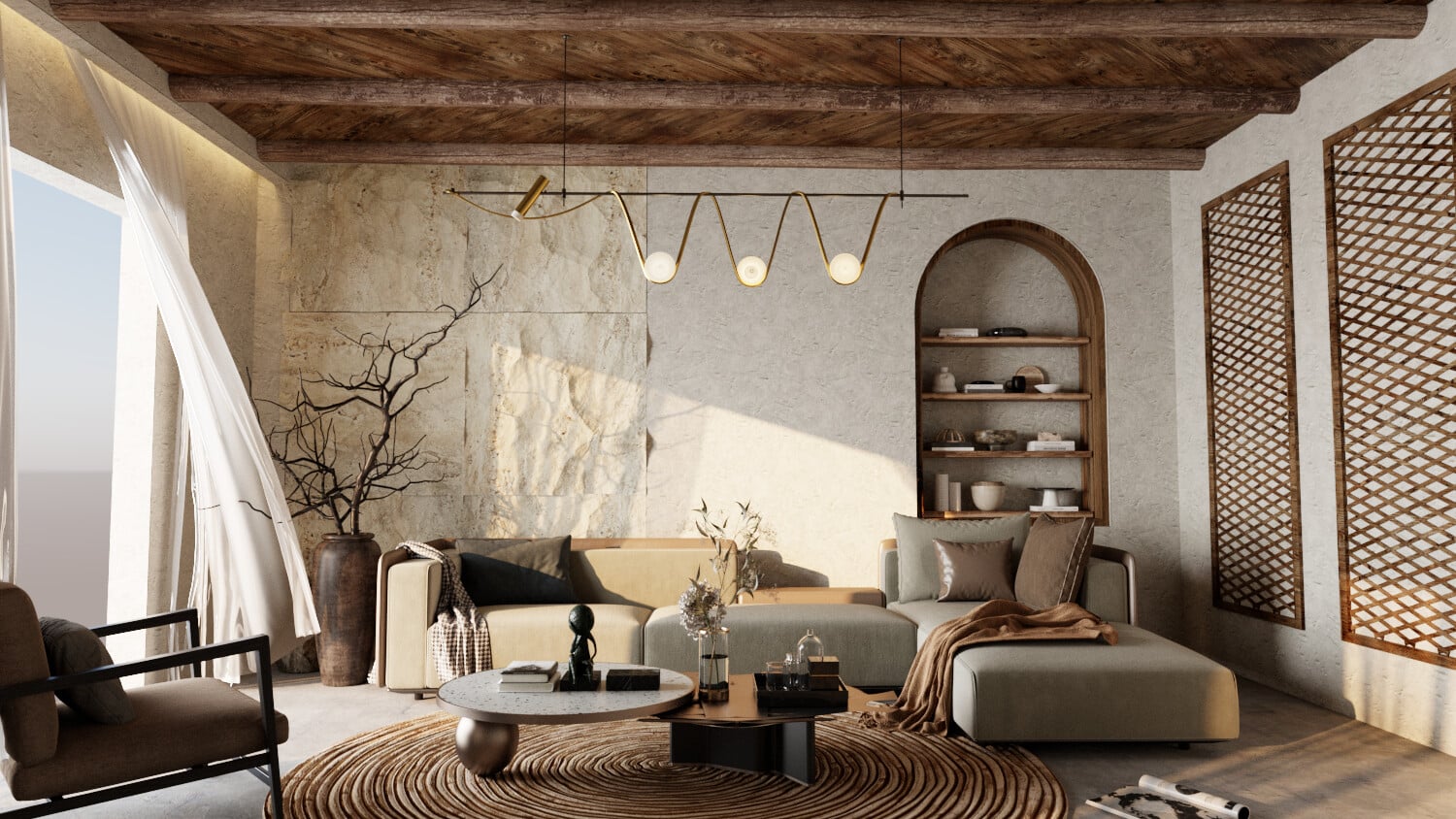
Rough-textured wooden beams were left exposed, with the contemporary elements prioritising sturdy, simple shapes like circles and squares. When I discovered Wabi-Sabi, it felt like stumbling upon a hidden garden of aesthetics, where every element, be it the asymmetry, the roughness, or the simplicity, sang a song of modest, intimate beauty. It’s about cherishing the economy of design, where less is more and every detail holds a conversation with the soul.
However, the way Japandi incorporates minimalist styles differs from wabi-sabi interior design because Japandi is more focused on perfectionism. Wabi-sabi, on the other hand, celebrates imperfection and is more about mindfulness. Originating from tea ceremonies in sixteenth-century Japan, Wabi Sabi is a worldview that emphasizes simplicity, natural materials, and the beauty of imperfection.
The natural world is filled with imperfections and yet we find beauty in it anyway. Wabi-sabi design promotes that we do the same in our homes, learning to accept that which we can’t fix (or simply don’t feel like fixing) in an effort to feel more at peace in our space. Striving for perfection might be a natural impulse, but the ancient Japanese philosophy of wabi-sabi encourages a more liberating perspective. Grounded in Buddhism and revered tea ceremonies incorporating irregularly shaped utensils, wabi-sabi is an appreciation of the imperfect and impermanent.



No comments:
Post a Comment